Chimney Tuckpointing and Repointing
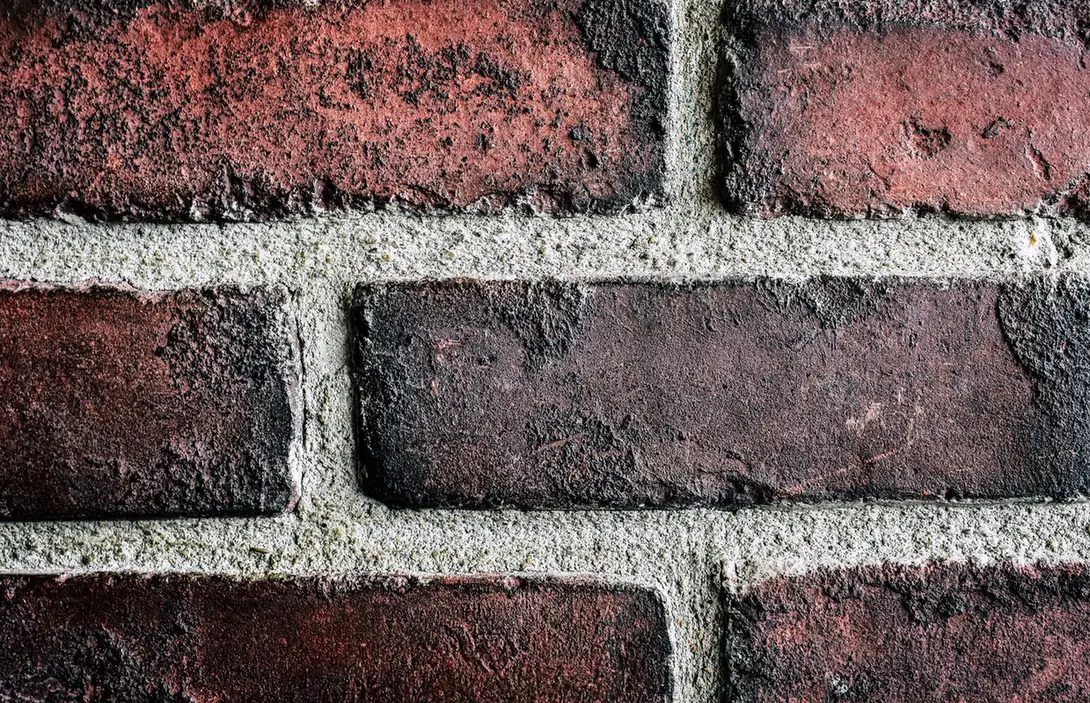
When mortar starts sanding out of the joints, water follows. We rake out the failing mortar and repack the joints with a mix suited to your brick.
Mortar joints are meant to wear out before the brick does. The National Park Service's Preservation Brief 2 calls them sacrificial: soft enough to take the movement and the moisture so the brick doesn't have to. On a chimney, the exposed upper courses wear out first. O'Hare averages about 38 inches of snow a year in NOAA's 1991 to 2020 normals, and snow sitting on the stack melts into the joints and refreezes on roughly 78 days a year.
Chimney stack tuckpointing typically runs $500 – $2,500. A tall two-story stack can run up to $7,000, mostly because of height and staging. Per square foot, repointing a chimney typically costs $8 – $30. The inspection is free, and your price is written down before we start.
Signs you need this
- Joints recessed more than about a quarter inch behind the brick face
- Sand or mortar crumbs on the roof or in the gutter below the chimney
- Gaps you can push a key into
- Damp patches or white salt on the inside of the chimney in the attic or basement
- Hard gray patches from an earlier repair, with damaged brick around them
How we do it
- Inspect the jointsWe check how deep the damage goes and how hard the existing mortar is.
- Rake outFailing mortar comes out to a depth of about twice the joint width, without widening the joints or chipping the brick edges.
- RepackJoints are filled in layers with mortar softer than the brick, matched as closely as we can in color.
- Tool and cleanJoints are tooled to match the original profile and the brick is cleaned of mortar smears.
Getting the mortar right
Preservation Brief 2 says repointing mortar should be softer and more vapor-permeable than the brick, and as soft or softer than the original mortar. High-lime mortars breathe better than dense cement mortars, which matters on a chimney that gets soaked and dried all winter. On a Chicago chimney built before the 1940s, that usually means a lime-rich mix. On newer brick, a standard modern mortar is often fine.
Done well, the same guide says a repointing job should last at least 30 years, and preferably 50 to 100.
Grinding, dust and permits
Removing mortar creates dust, and Chicago has dust-control rules for masonry grinding and cleaning; some jobs also need an air quality permit from the Chicago Department of Public Health. We contain the dust and rake by hand where the brick is old or the joints are narrow.
In Chicago, replacing up to 50 square feet of masonry in kind on a residential building up to four stories needs no building permit, though that may not apply in landmark districts. Larger tuckpointing falls under the Express Permit Program for masonry. In the suburbs, we check what your city requires.
When tuckpointing isn't enough
If the brick itself has lost its faces, or the top of the stack moves when pushed, new mortar alone won't hold. Then the damaged brick is replaced or the top is rebuilt from the roofline. We'll tell you which at the inspection, with photos.
FAQ
Chimney Tuckpointing questions
What is tuckpointing a chimney?
Raking out worn mortar from the joints and packing in new mortar, then tooling it to match. It keeps water out of the chimney and holds the brick together.
How much does chimney tuckpointing cost?
A chimney stack typically runs $500 – $2,500, and a two-story stack up to $7,000. Per square foot, $8 – $30.
How long does tuckpointing last?
The National Park Service says a good repointing job should last at least 30 years, preferably 50 to 100, when the right mortar is used.
Can you match the mortar color?
Close, yes. We mix to match the existing joints, and the new mortar settles in as it cures and weathers.
Do I need a permit for tuckpointing in Chicago?
Up to 50 square feet in kind on a building up to four stories, no, unless you're in a landmark district. Larger jobs go through the Express Permit Program. In the suburbs, we check what your city requires.
Related
Masonry, leaks and rebuilds

Book online
Pick a day. We'll bring a ladder.
Free inspection in a 3-hour window: 8 to 11, 11 to 2, or 2 to 5. We call to confirm before we arrive.