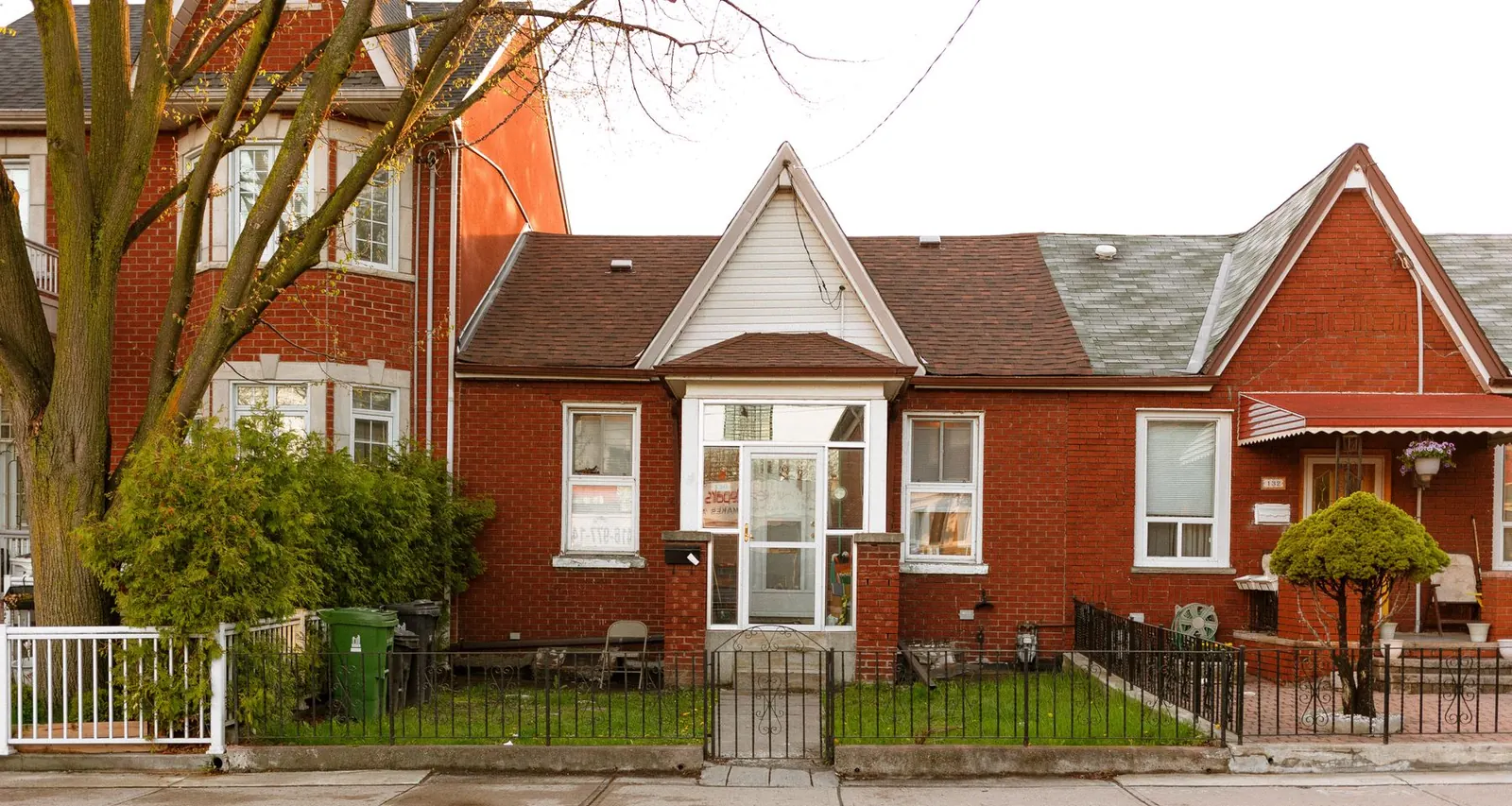
How do you match Chicago common brick on a chimney?
The last Chicago common brick maker closed in 1981, so a true match today means salvaged commons of the same color and size. The mortar matters as much as the brick: the National Park Service's Preservation Brief 2 says repointing mortar must be softer and more vapor-permeable than the brick it sits in.
Chicago Chimney & Fireplace Repair · November 2, 2026
What Chicago common brick is
Brick of Chicago, a local history project on the city's brick, describes Chicago commons as brick fired from local clay full of lime, iron and small stones. Depending on where they sat in the kiln, they came out buff yellow, salmon pink or deep red, which is why one old chimney can show three colors at once.
They were called commons because they were rougher than the smooth face brick shipped in for street fronts. Builders put them on the backs, the sides and the inside wythes of walls. That is exactly where most bungalow and two-flat chimneys stand, so the chimney on many Chicago houses is common brick even when the front is not.
There was a lot of it. After the fires of 1871 and 1874, Chicago banned new wood buildings, and by 1915, Brick of Chicago reports, 10% of all brick made in the United States came from Chicago. The last maker closed in 1981.
Why modern brick looks wrong
New brick is made to tighter sizes and more even colors. Set into a stack of old commons, it shows up as a patch of the wrong shade with joints that do not line up. On a chimney you see from the street, or one inside a landmark district, that patch is hard to miss.
Salvaged commons come from old Chicago buildings that were taken down. We sort them by color and size against what is already on your chimney before any old brick comes out.
The mortar rule from the National Park Service
The National Park Service's Preservation Brief 2, the federal guide to repointing historic masonry, says new mortar must be softer, measured by compressive strength, and more vapor-permeable than the brick. It should also be as soft as or softer than the historic mortar.
The brief explains why. Mortar stronger than the brick will not give, so stress from movement and freezing goes through the brick instead, causing cracking and spalling that is hard to repair. It notes that high-lime mortars are more permeable than dense cement mortars, and it treats mortar joints as sacrificial: they are meant to wear out before the brick does.
Done properly, the brief says, a repointing job should last at least 30 years and preferably 50 to 100.
Signs a common brick chimney needs attention
Most of what goes wrong shows from the ground or a back window:
- Brick faces that have flaked away, leaving rough, recessed spots.
- Gray, hard-looking joints next to crumbling brick, a sign of an earlier repair with the wrong mortar.
- Open joints near the top, where the stack takes the most weather.
- Loose or missing bricks along the top courses and under the crown.
- Water stains on the attic side of the chimney or on the ceiling next to it.
What matching repairs usually cost
On bungalows and two-flats, tuckpointing a chimney usually runs $500 to $2,500. Replacing spalled brick with salvaged commons usually runs $1,000 to $3,500. HomeGuide puts chimney repointing at $8 to $30 per square foot, depending on access and how much hand work the joints need.
In Chicago, replacing up to 50 square feet of masonry in kind on a residential building up to four stories needs no permit, though that may not hold in a landmark district. Our inspection is free and includes photos and a written price.
FAQ
More answers
Can you match brick on only one side of the chimney?
Yes. We match to the side being repaired, and we look at all four sides first because sun and weather fade each one differently.
Is it worth using salvaged brick on a chimney nobody sees?
Even out of sight, the brick and mortar need to work together. Very hard brick or mortar set against old commons can move water and stress into the original brick.
Why not just paint or seal the chimney?
A coating that traps moisture can make spalling worse. If a water repellent makes sense, we use a breathable one.
Do you do this outside the city?
Yes. Berwyn, Oak Park, Evanston and other older suburbs have plenty of common brick chimneys too.
Keep reading
More from the blog
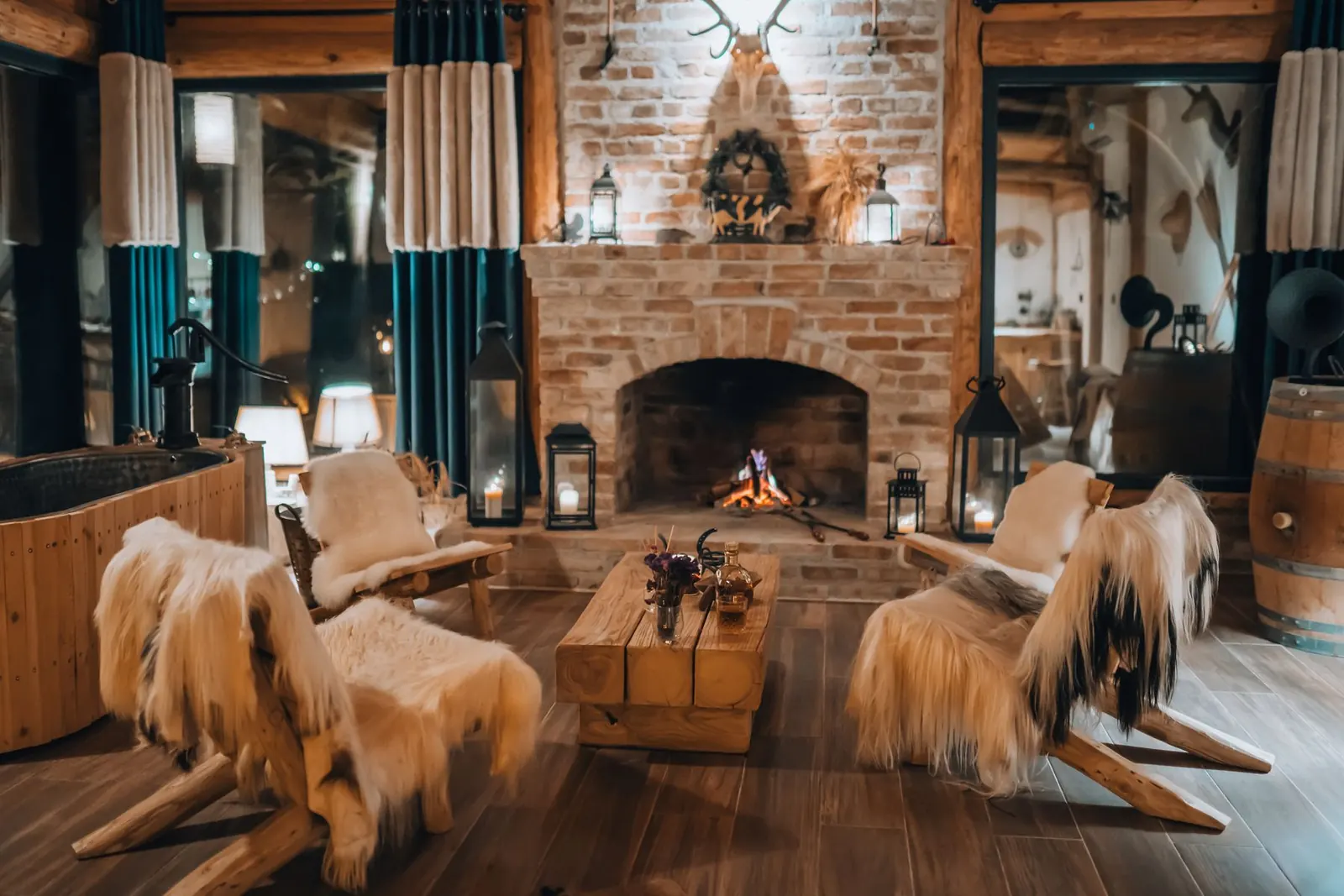 Where does Chicago require carbon monoxide alarms?Illinois requires a CO alarm within 15 feet of every bedroom. Chicago adds alarms inside bedrooms with a fireplace and next to every furnace, boiler and water heater.
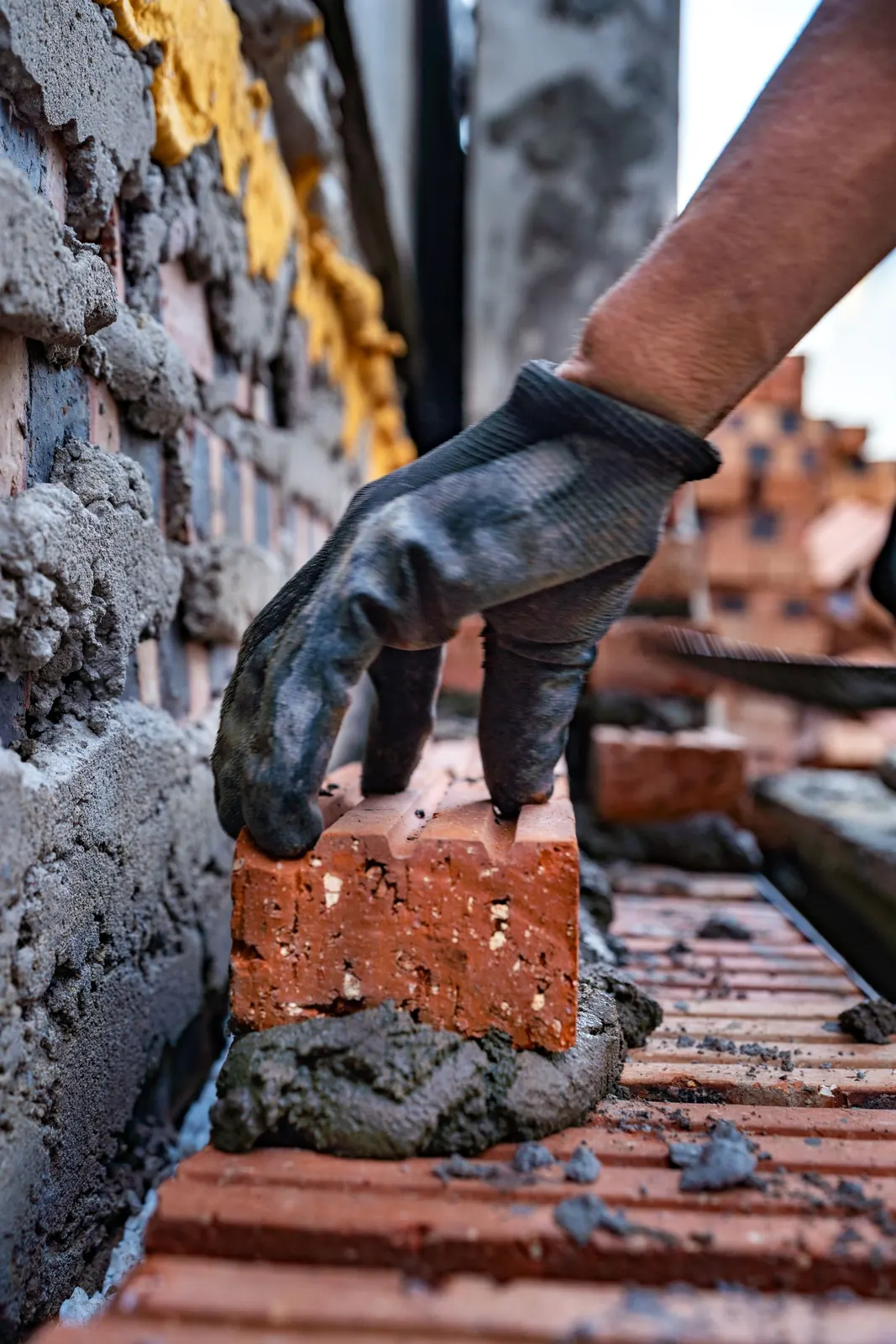 Do you need a permit to rebuild a chimney in Chicago?Chicago's Express Permit covers in-kind chimney rebuilds written on the permit; small in-kind repairs up to 50 sq ft need none, except possibly in landmark districts.
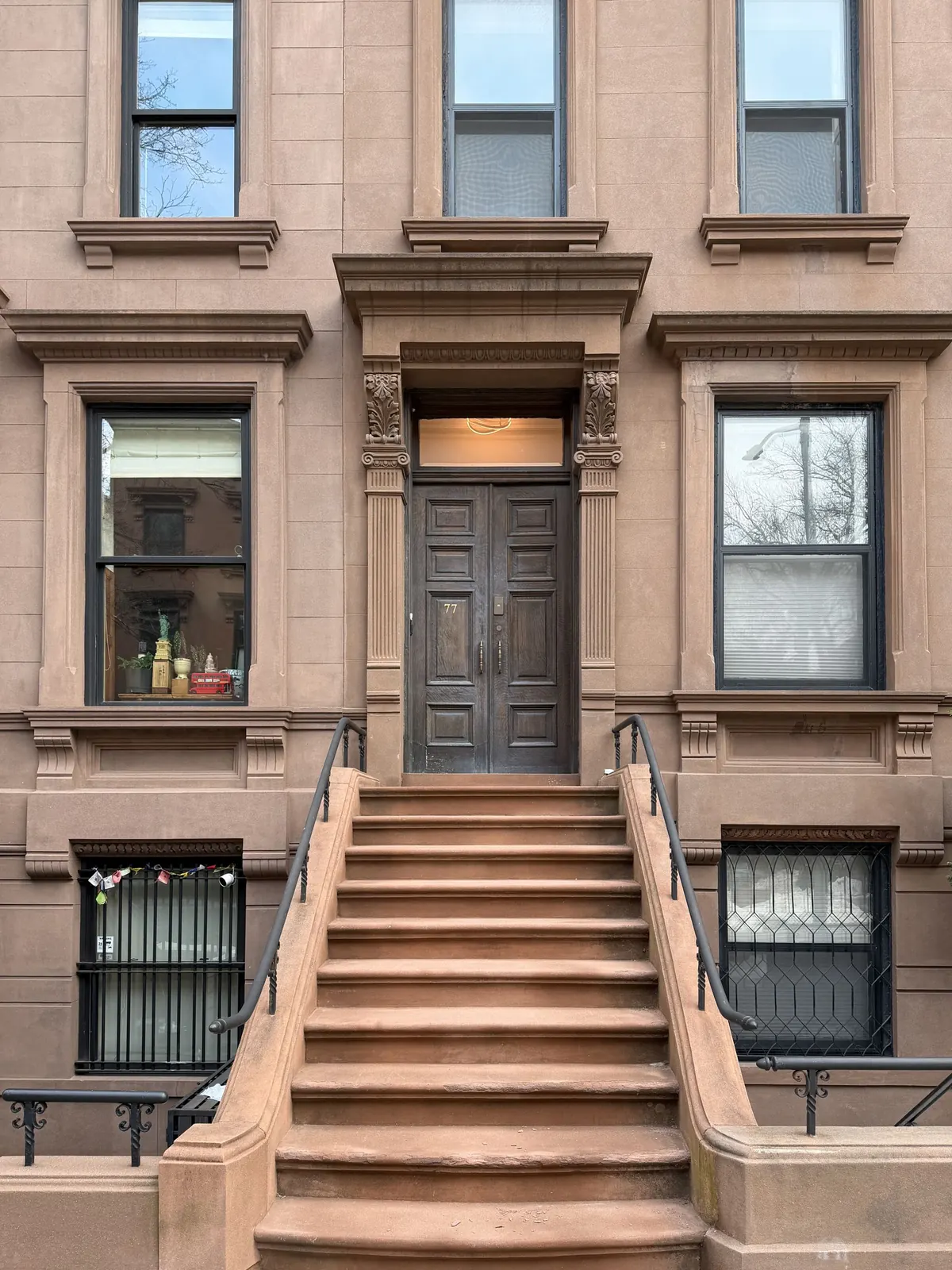 What changes when your chimney is in a Chicago Landmark district?In a Chicago Landmark district the Historic Preservation Division reviews chimney permits. What that means for your chimney, plus Oak Park's own district rules.

Book online
Pick a day. We'll bring a ladder.
Free inspection in a 3-hour window: 8 to 11, 11 to 2, or 2 to 5. We call to confirm before we arrive.